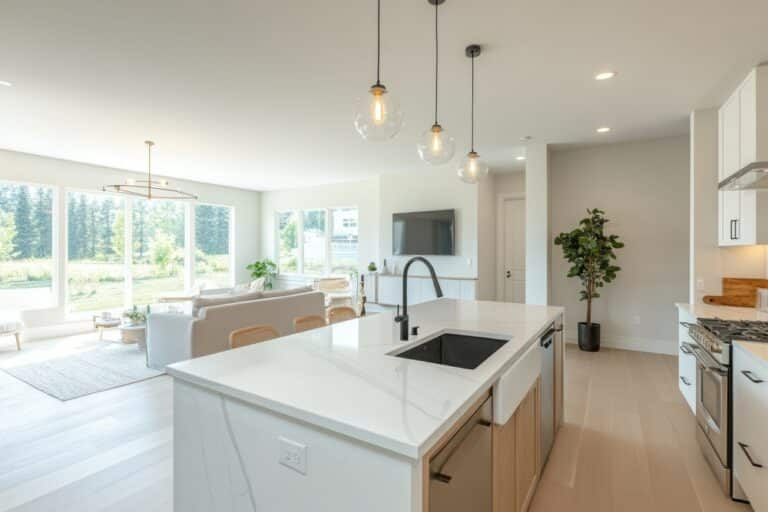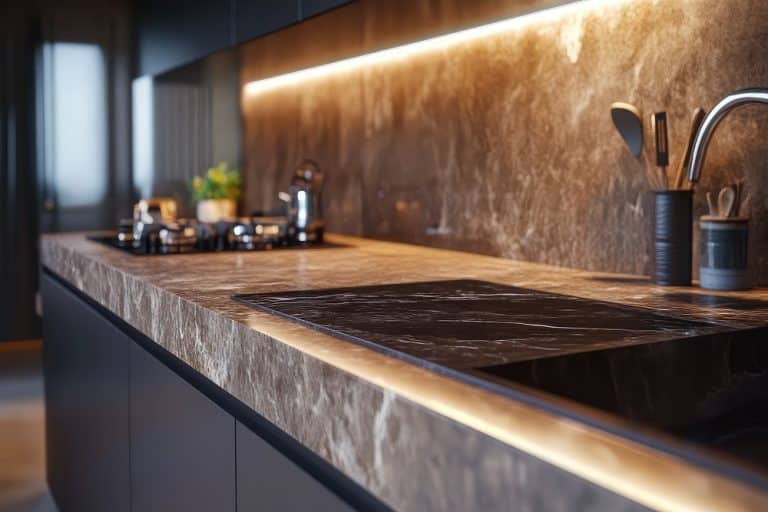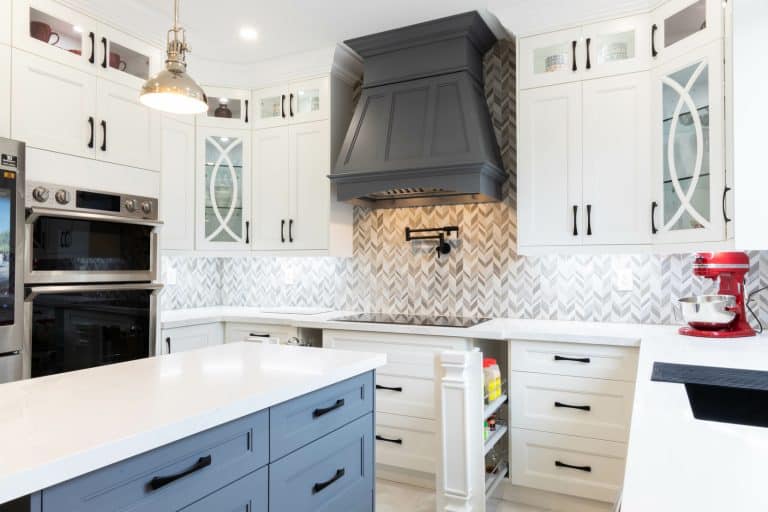
Summary: Quartz has a long history of being thought of as less desirable than natural stone. But thanks to advances in fabrication and mimicry, quartz is now one of the most sought-after materials for kitchen countertops. Modern homeowners simply love it.
Countertops are often the first thing you notice when stepping into a kitchen. From a utilitarian perspective, countertops are the kitchen’s workhorse. But from an aesthetic perspective, they set the tone for how you feel whenever you are working in the kitchen space. Here in Utah, countertops have become canvases for interior design.
We have seen the evolution of countertop surfacing firsthand. While natural stone will always have a place in the Utah kitchen, engineered quartz has taken its rightful place in modern home design. For some of our customers, quartz ends up being the only choice.
Modern quartz is not just a durable alternative; it is a high-tech material that is pushing the boundaries of home aesthetics. As more Utah homeowners learn about it and how it can be utilized in the modern kitchen, they are choosing it over other high-end materials.
Engineering Makes Quartz a Designer’s Dream
Interior designers thrive on options. So when it comes to the kitchen, engineered quartz is the perfect material to work with. It is an interior designer’s dream because of its versatility and customization potential.
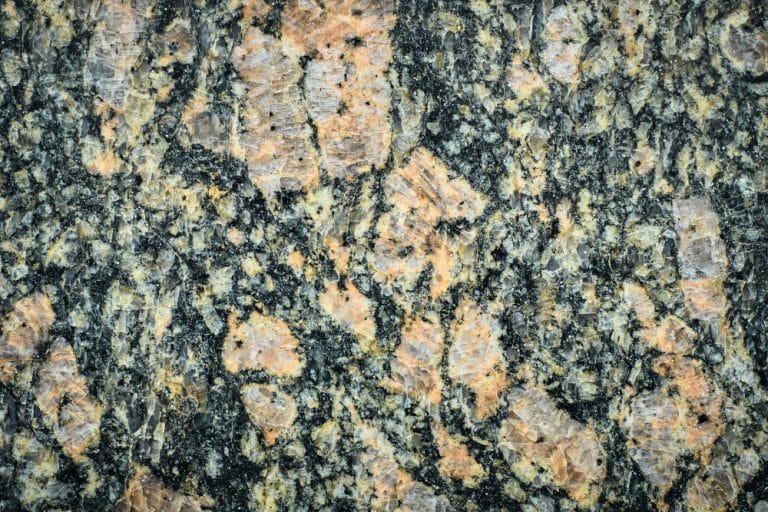
Granite and marble are natural stones that are quarried in large blocks before being cut into smaller slabs for easier working. As wonderful as the two materials are for modern kitchens, designers are limited by whatever slab a customer chooses. A slab is what it is. There is no changing it.
On the other hand, quartz is an engineered material consisting of about 90% crushed natural quartz minerals mixed with polymer resins and pigments. Being engineered offers a level of control fabricators simply do not have with natural stone. Engineering control brings three important things to the table:
- Uniformity – Engineered quartz countertops are uniform in look and feel. There are no unexpected patterns or weak spots.
- Zero Porosity – Polymer resins make quartz completely non-porous. Quartz countertops never need sealing. They resist stains, scratches, and cracks extremely well.
- Strength – Because the quartz minerals in an engineered countertop are bound with resin, the resulting material is structurally sound. It is strong and less brittle than natural stone, encouraging more ambitious edge profiles and thinner slabs.
Everything a designer wishes they could get in marble, granite, and quartzite is possible with engineered quartz. It is no wonder quartz has found a home in interior design.
Natural Mimicry With Quartz
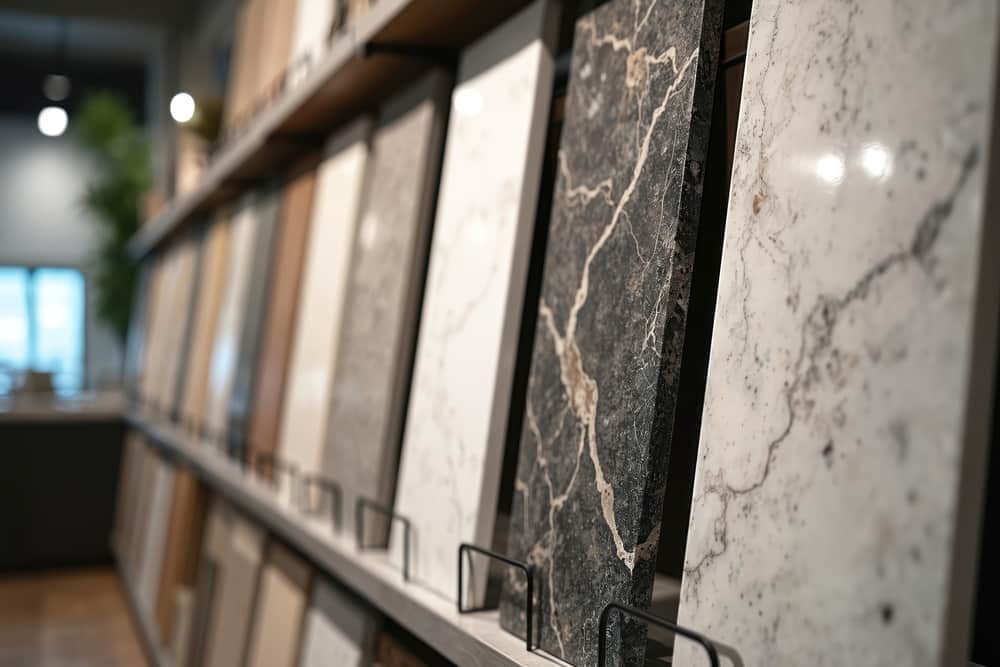
One myth about quartz countertops is that they are visually boring. People just assume that fabricators cannot do much with engineered materials. Nothing could be further from the truth. Modern fabricators are experts in mimicry. They can mimic natural stone to make it so convincing that you really can’t tell with the naked eye.
For many years, fabricators struggled to reach the ultimate goal: making quartz look similar enough to marble to sell it to discriminating consumers. But thanks to technological innovations – including advanced 3D inkjet printing and through-body veining – fabricators can now create quartz slabs that are virtually indistinguishable from natural stone. For example:
- Deep-Vein Technology – Deep-vein technology makes it possible to create veins of gold and gray that appear throughout the entire quartz slab. In years past, simulated veining was merely a surface decoration.
- Organic Looks – Although mimicking marble and granite is still possible, quartz can now mimic more organic looks as well. It can be made to look like hazy Taj Mahal quartzite, poured concrete, or just about anything else.
Mimicry has advanced so much that quartz countertops can be made to look like anything a customer wants and is willing to pay for. For those who just want the look of natural stone without the cost and maintenance, quartz is more than up to the task.
The Rise of Solid and Saturated Colors
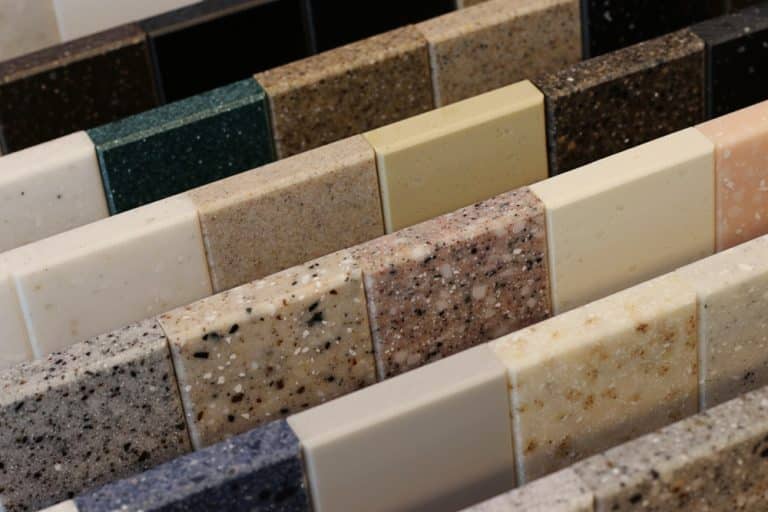
Modern interior design doesn’t necessarily demand natural stone in the kitchen. It doesn’t even require a stone look. One of the major trends for 2026 is the solid surface statement. And because quartz is engineered, it is ideally suited to achieving colors that do not exist in natural stone.
Here is what homeowners are eyeing for 2026:
- Minimalist Solids – More homeowners are opting for solid colors designed to promote the minimalist look. Crisp, clinical whites and sleek, voided blacks are the epitome of modern minimalism.
- Muted Earth Tones – In recent months we have seen a shift toward palettes associated with wellness. Think of muted earth tones like terracotta, mushroom gray, sage green, etc.
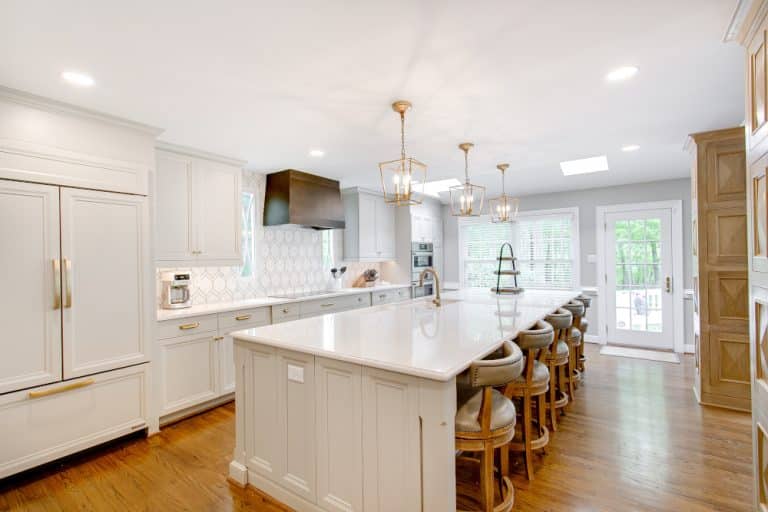
- Visual Continuity – Homeowners are discovering that solid colors lend themselves very well to visual continuity. They find themselves attracted to a monolithic look boasting countertop, backsplash, and island that looked like one continuous piece of carved material.
Solid colors used to be limited only to laminates and poured concrete. But they now belong to quartz as well. If solid colors are your thing, quartz might be the perfect material for your new countertops.
Quartz and Tactile Finishes
Modern quartz innovation doesn’t stop with the visual experience. It also includes the tactile experience. Once again, engineering allows fabricators to finish quartz countertops in ways that simply are not possible with stone. For many homeowners, it matters. What they feel is just as important as what they see.
Here are the different finishes that seem to be very popular with quartz right now:
- Honed – A honed finish is a matte finish with the velvety, soft feel. It is perfect for busy kitchens where both kids and adults are likely to leave fingerprints behind.
- Suede – The suede finish is an ultra-matte finish offering more depth than its honed counterpart. It is an excellent choice for complementing natural wood cabinets with deep grains.
- Leathered – A leathered finish is a textured finish with dimples and a slight sheen. Its attractiveness is the rustic, sophisticated look it brings to the modern kitchen.
With so many options on the table, there is something for everyone who chooses quartz over other countertop materials. Best of all, quartz lends itself very well to ‘total look’ integration. A well-designed quartz countertop ties everything else in the kitchen together with a visual and tactile experience that can be awe-inspiring.
FAQs
What do you mean when you say quartz is engineered?
Another way to say it is that quartz is manufactured. Rather than being cut from a quarry, quartz is made by combining quartz crystals with polymer resins and dyes.
Is quartz as durable as marble and granite?
Yes, it is. It does not easily chip, crack, or stain. It is resistant to both scratches and heat. Best of all, it doesn’t have to be sealed.
How do fabricators mimic the look of natural stone?
Natural stone is mimicked by way of a selection of dyes. A base dye determines a slab’s primary color. Other dyes are then introduced to create veining.
Do the colors and veining ever fade?
Unfortunately, fading is the one downside of quartz. Over time, sunlight can cause base colors and veining to fade. Any areas of a countertop consistently exposed to direct sunlight could fade more quickly.