We love the look of a skillfully crafted stone countertop. We are guessing you do too. Unfortunately, it takes only one stain to completely ruin that look. That is why we do our best to remind customers to keep up with countertop maintenance – particularly sealing. Investing in a natural stone countertop only to have it ruined by a stain is a real bummer.
Have you ever wondered what the most common countertop stains are? Let’s go through some of them together. The stains described below are all pretty typical of busy kitchens subject to lots of food prep. Fortunately, all but the most aggressive stains can be effectively addressed.
Five Types of Common Stains
Rather than going through each individual material that could stain a stone countertop, we put together different types of common stains by category. There are many substances within each category, substances you’re pretty familiar with.
Here are the five types of common stains:
- Oil and Grease – Stains in this category are caused by things like butter, greasy foods, and cooking oil. These substances tend to leave behind dark spots that are quickly absorbed by the stone if not cleaned up right away.
- Organic – Organic stains are caused by things like coffee, tea, wine, and food coloring. The substances leave behind brown, red, or purple stains that can deeply penetrate stone if it is not sealed properly.
- Acidic – As the name implies acidic stains are caused by foods with high acid content. Think of things like tomato sauce and lemon juice. Note that even acidic cleaners can cause problems. Never use an acidic cleaner on a stone countertop.
- Hard Water – Hard water can actually leave stains on stone countertops if it is allowed to stand for any length of time. Mineral deposits are hard water’s signature, and they leave behind a film that can gradually collect around sinks and appliances.
- Inks, Markers, and Dyes – Although less common than food stains, ink and marker stains are a real possibility. A leaking pen or a marker set down without its cap can leave behind an ugly mark. Commercial food dyes can leave similar stains.
- Rust – Metal items left on a wet countertop can leave behind rust stains. A rust stain is orange or brownish in color. Marble is especially susceptible to rust stains.
Sealing is the best way to protect natural stone countertops from staining. As for quartz, its nature as an engineered product mitigates the need for sealing. But that does not mean quartz will never stain. Treat it like natural stone to ensure stains do not appear.
How to Address Common Stains
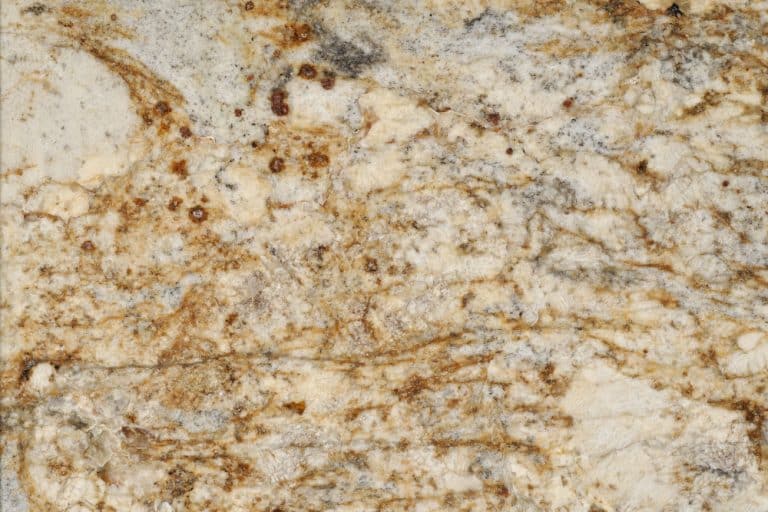
The best way to prevent staining is to deal with spills immediately. If your countertops are granite, blot spills rather than wiping. Use a cleaner specifically designed for granite, avoiding harsh chemicals and abrasive materials.
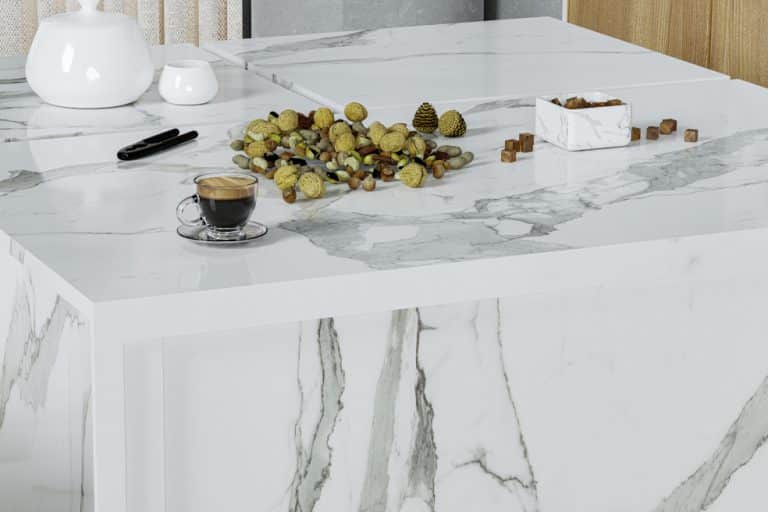
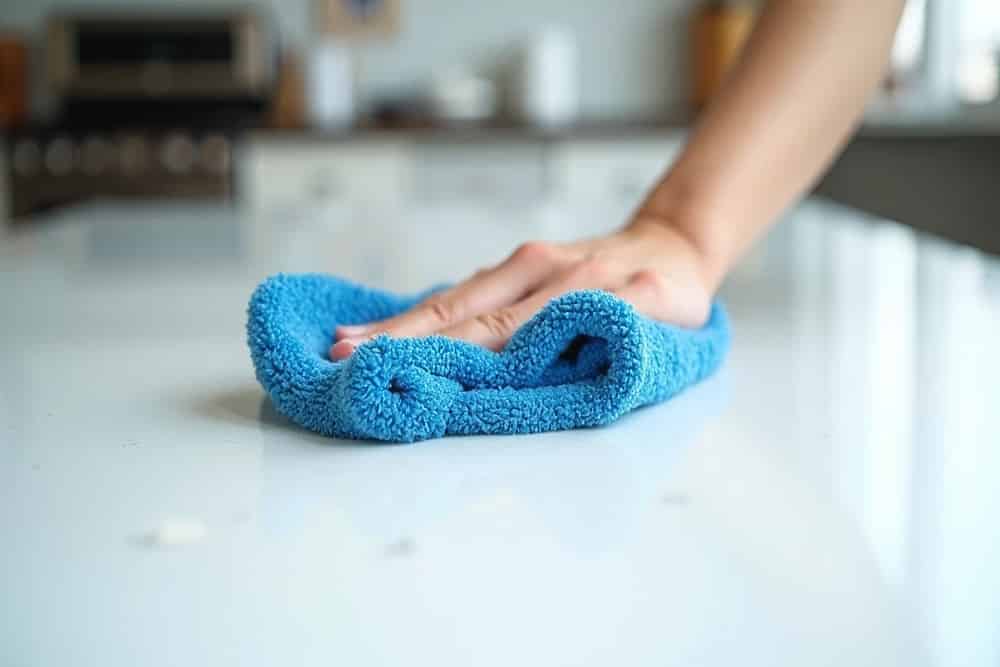
Marble is especially prone to etching and staining. Clean up spills right away to reduce risks. And when you clean, use a soft cloth and mild pH-neutral cleaner.
Finally, quartzite’s highly porous nature makes it susceptible to stains if not regularly sealed. Blot spills rather than wiping. If stains do appear, clean them with a combination of baking soda poultice and a soft cloth. Mild dish soap and stone-safe cleaners also work well with quartzite.
Prevention is the key when you are talking about countertop stains. Always clean spills right away. Complement your vigilance by cleaning your countertops with an appropriate cleaner and a soft cloth daily. Doing so will keep your stone countertops looking new for years to come. And that’s the point, right?