Summary: Bedrock Quartz sells and installs natural stone countertops, including marble, granite, and quartzite. But we also offer engineered quartz. The non-porous material is especially attractive to busy families whose kitchens get a lot of use.
If your kitchen gets a lot of activity, you and your family are not alone. From breakfast before school to snacks after practice and weeknight dinners, the kitchen is a very busy place. It can also be a very messy place, as evidenced by the occasional spill that doesn’t get cleaned up until later — and only if someone sees it.
We have noticed that when homeowners with very busy lifestyles begin planning a kitchen upgrade, easy cleanup and daily hygiene suddenly matter as much as color and style. Perhaps that’s why non-porous surfaces have become so appealing to modern households.
If you’re thinking of new countertops in West Jordan, might we suggest engineered quartz? It offers a combination of design flexibility and straightforward care. Quartz is a non-porous surface that resists liquids, so routine cleaning is simple. Quartz certainly is not self-sanitizing or immune to damage, but it can make kitchen cleanup easier.
What Non-Porous Actually Means
If you are new to the whole kitchen countertop thing, the most immediate question on your mind might be, “What does non-porous actually mean?” You’re in good company. We get that question a lot.
A porous material has microscopic cavities capable of absorbing liquid. Conversely, a non-porous surface resists absorption. Engineered quartz is manufactured by combining quartz minerals with binders and pigments. The process creates a dense surface with a wide range of available colors and patterns — but no microscopic cavities.
In the kitchen, this particular characteristic is useful when things like coffee, juice, and sauce are spilled on the counter. A surface that doesn’t readily absorb liquids is easier to wipe clean compared to one that might need periodic sealing to help resist stains. Just understand that engineered quartz is not magical. Its non-porous advantage is practical:
- Liquids are less likely to soak into the countertop.
- Routine messes can usually be cleaned with a soft cloth and mild soap.
- Food residue remains on the surface rather than disappearing into pores.
- Quartz generally does not require routine sealing.
Also note that non-porous does not mean nothing can ever stain or damage a material. Residue can still build up on quartz, and certain substances might affect the surface if left untouched for too long. That’s why it is important to follow the care instructions for your particular quartz countertops.
Why Families Care About Cleanability
While kitchens tend to be gathering spaces, the counters are work surfaces. Sometimes, they are home to groceries, school projects, and small appliances. Other times, they are the work area for food prep. It all points to one characteristic know is important to families: ‘cleanability’.
An easy-to -clean surface simplifies kitchen management. Cleanability is especially convenient when:
- Meals Happen Back-to-Back – Quick wipe-downs help make the surface ready for the next round of meal prep.
- Several People Cook – Simple care instructions make it easier for many hands to be active in the kitchen.
- Food Prep Is Frequent – Prompt spill and residue cleanup support good kitchen hygiene when food prep is ongoing.
- Time Is Limited – Easy routine cleaning doesn’t get in the way when time is a precious commodity.
A cleanable surface is a big part of kitchen hygiene, but food safety still depends on good habits like hand washing and separating ready-to-eat foods from their raw counterparts. Families should remember to always clean countertop surfaces after food preparation.
We mention these things because quartz does not kill germs or eliminate the need to clean and sanitize when appropriate. Its non-porous characteristics make surface care more straightforward, but families still need to be proactive about hygiene.
Design Choices With Engineered Quartz
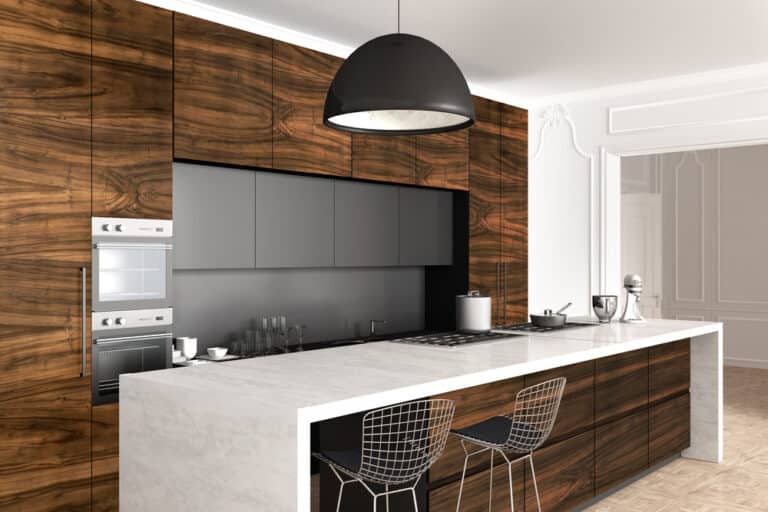
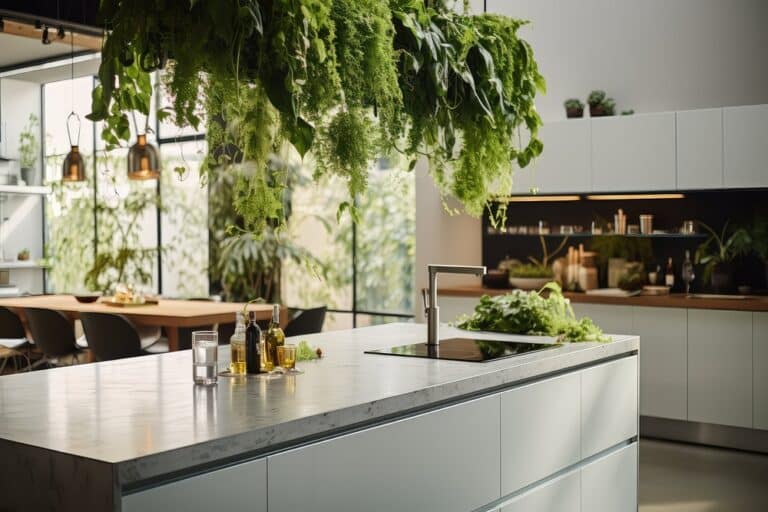
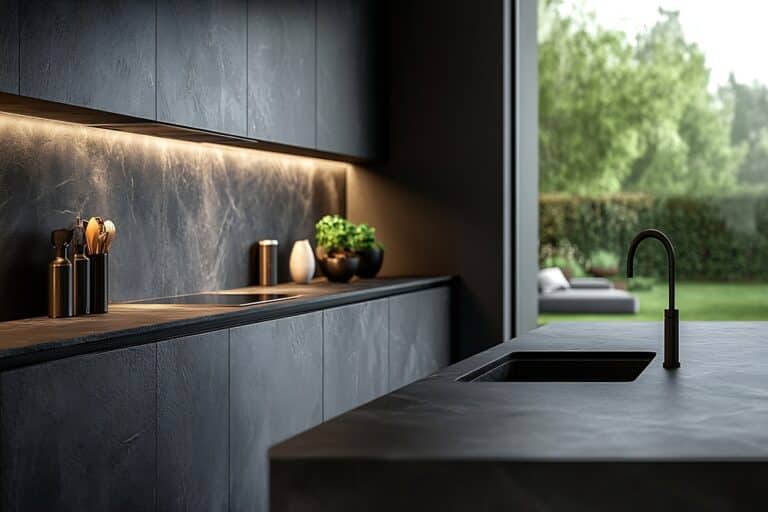
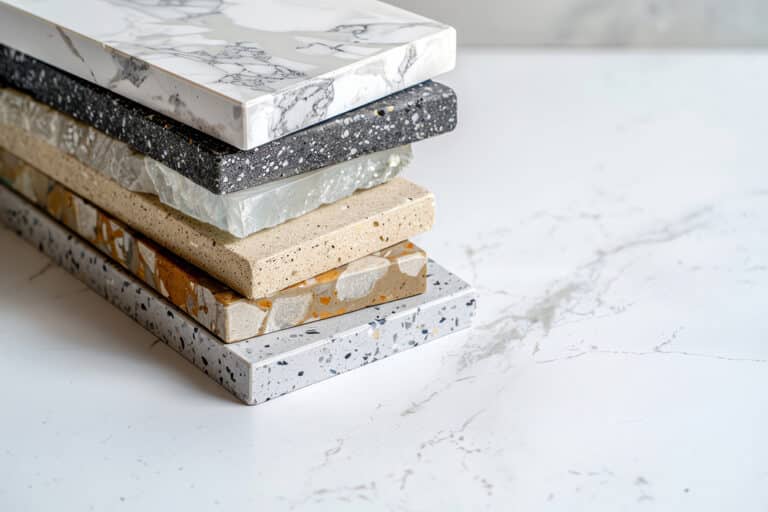
Moving on, the appeal of engineered quartz countertops in West Jordan reaches beyond mere upkeep. They are also quite appealing from a design aspect. Because they are manufactured, quartz surfaces can be had in a broad selection of colors, patterns, and textures.
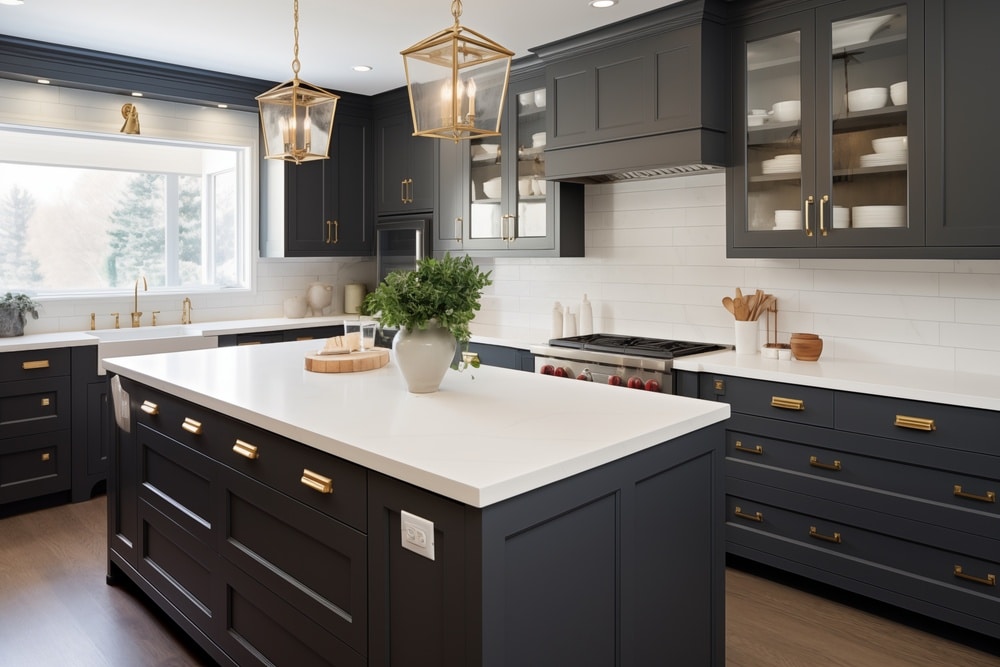
Choose an understated solid color, or perhaps a bolder color with pronounced veining. It is entirely possible to coordinate your countertop design with existing cabinets, flooring, your backsplash, and even the overall look of the kitchen. When we are working with customers in West Jordan, we encourage them to think about:
- Color – Lighter colors will brighten the kitchen, while darker and deeper tones create more contrast with lighter cabinets.
- Pattern – Patterns make a big visual difference. A subtle pattern can blend with other finishes, while a bolder one often becomes the kitchen’s focal point.
- Finish – A variety of finishes are possible with engineered quartz. It’s important to consider what each option will look like under real-world lighting and how much care will be required to maintain it.
- Layout – If choosing a quartz slab with a pattern, how that pattern appears across the island, counter runs and seams will make a difference.
- Use – How the kitchen is actually used may be the strongest evidence in support of quartz over natural stone. Busy kitchens do very well with quartz.
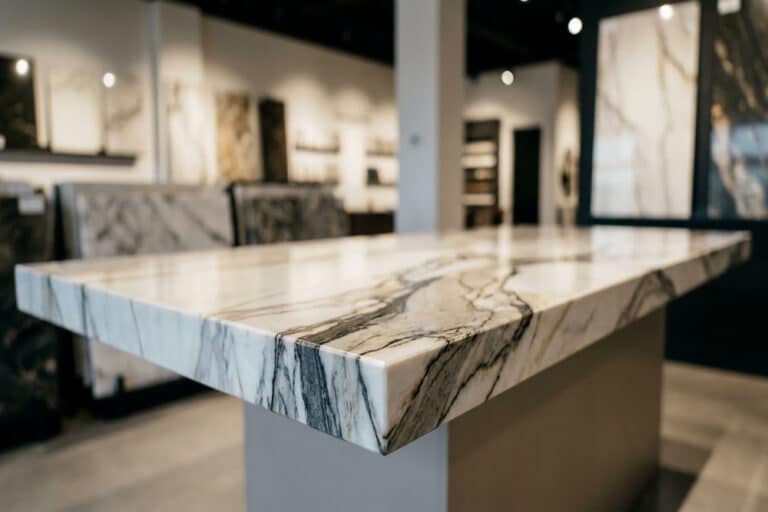
We recommend visiting our West Jordan showroom before finalizing any decisions about quartz. Being able to see the material in person will help you better judge pattern and color choices. And if you can bring samples with you — samples of your cabinets, flooring, and backsplash — the visual will be even more accurate.
A Simple Routine for Daily Care
There are a lot of things to love about quartz countertops. For West Jordan families, the ease of daily care is at the top of the list.
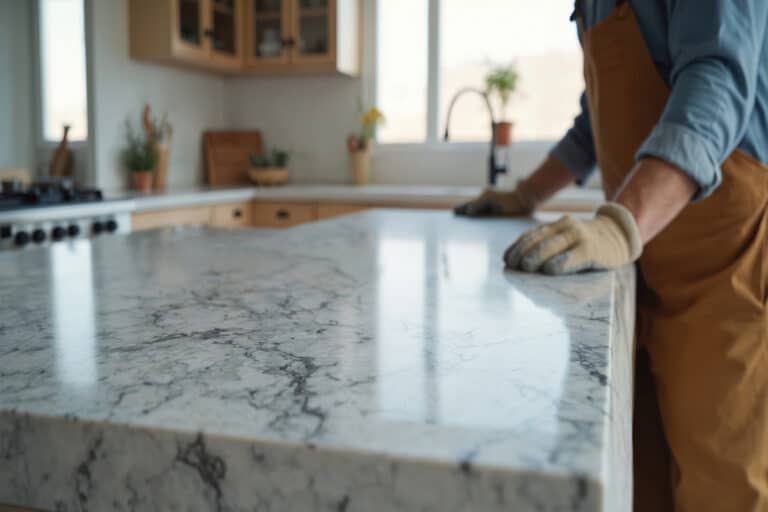
Quartz care is uncomplicated compared to granite, marble, and quartzite. A typical daily cleaning routine would look something like this:
- Wipe away crumbs and loose debris.
- Clean the surface with warm water and mild dish soap.
- Rinse away any soap residue.
- Dry the surface with a soft cloth, especially where you notice water spots.
If all else fails, following the product’s official care guidance will do the trick. Whatever you do, never clean quartz using abrasive pads and harsh chemicals. They are known to dull quartz surfaces.
And now you know the non-porous advantage quartz offers West Jordan families. If you are in the market for new countertops, we hope you’ll pay Bedrock Quartz a visit. We’re ready to help you learn everything you can about quartz.
FAQs
What does nonporous mean in relation to kitchen surfaces?
It means a surface does not readily absorb liquids because it lacks the tiny cavities that normally facilitate absorption.
Why is quartz non-porous where natural stone materials are not?
The manufacturing process utilized for making engineered quartz ensures a smooth, non-absorbent surface.
Are quartz countertops scratch- and heat-proof?
No. It’s still necessary to use things like trivets, cutting boards, and potholders to protect quartz surfaces.
Do quartz countertops require sealing?
While there are exceptions to every rule, most quartz countertops are not sealed. They resist liquids and staining without the need for an extra protective layer.
How hygienic is quartz compared to natural stone?
Its non-porous nature makes engineered quartz very hygienic. By following routine cleaning and food preparation protocols, hygiene never has to be a worry with quartz.