Are you familiar with the phrase ‘words mean things’? It is a phrase that reminds us how important it is to carefully choose our words. It actually applies in the countertop business, especially when customers are confused about quartzite and quartz. Not understanding the differences could mean getting one when you really wanted the other.
Despite similar names, quartzite and quartz are two different materials. Both are popular materials for kitchen and bathroom countertops. But if you get quartzite when you wanted quartz, the finished countertops might surprise you. The same is true if you were expecting quartzite and you got quartz instead.
Material Composition
The biggest difference between the two materials is the composition of each one. Quartzite is a natural stone, while quartz is an engineered product. Here are the details:
- Quartzite – The stone is formed under intense heat and pressure. It begins its life as sandstone with different minerals running through it. As the heat and pressure are applied, those minerals create the veining seen in quartzite slabs.
- Quartz – As an engineered material, quartz is composed of about 90% natural quartz minerals combined with 10% polymer resins and pigments. The polymer resin is what holds everything together, while the pigment determines what the finished slab will look like.
One of the benefits of quartz is that you can order it to look like just about anything. We can mimic the look of marble, granite, or quartzite. We can also fabricate solid colors along with an endless selection of non-stone patterns.
Material Appearance
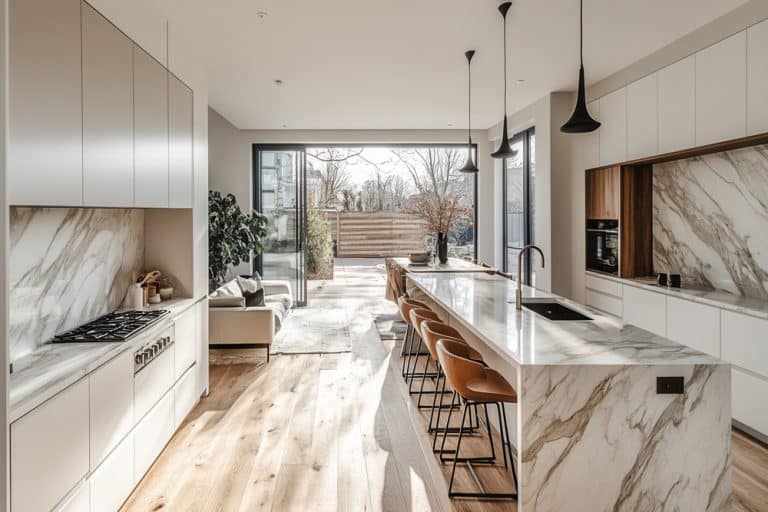
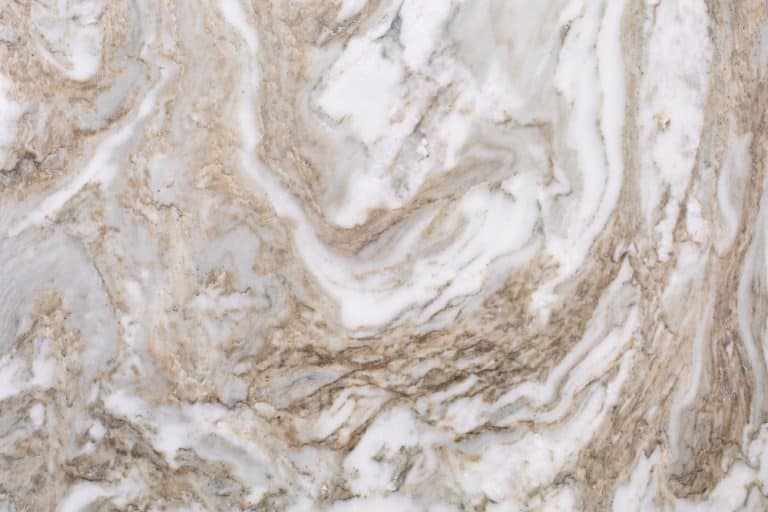
The composition of the two materials obviously affects each one’s appearance. Quartzite offers a naturally elegant and unique presentation that reminds people of more subtle marble. You can get quartzite in lighter tones like white, gray, and beige. If you prefer something a little more stimulating, blues and pinks are also possible. The thing to remember is that each quartzite slab is one-of-a-kind.
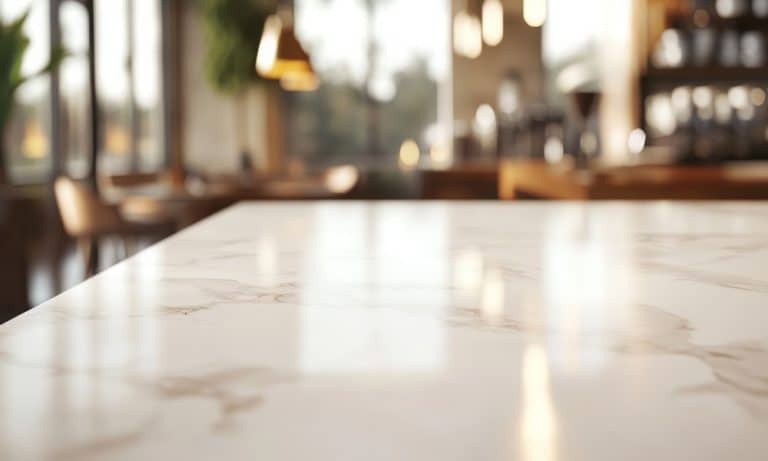
Quartz’s appearance is hard to pin down. As previously stated, we can fabricate quartz countertops that look like any natural stone. Perhaps you like the look of marble or granite but can’t afford it. Quartz offers the same look at a cheaper price point.
Quartz countertops can be subtle and laid-back or bold and eye-catching. They can be manufactured in a wide range of hues and patterns that simply can’t be matched by natural stone. So if you are looking for a very specific look or repeatable pattern, quartz might be the better choice.
Cleaning and Maintenance
Quartzite and quartz differ quite a bit in terms of cleaning and maintenance. Quartzite is porous, so it must be sealed one or two times annually. It can be cleaned with a mild, non-acidic cleaner and a soft cloth.
Quartz is nonporous. Therefore, it doesn’t need to be sealed. It is highly resistant to stains, bacteria, chips, and cracks. Soap and water are all that is needed to keep it clean.
Long Term Durability
Finally, quartzite and quartz are both durable materials. Sealed quartzite resists stains and UV-related fading. Likewise, quartz is also stain resistant. However, it is not as UV-resistant as quartzite. It can fade if exposed to direct sunlight over the long term.
Both quartz and quartzite are great materials for bath and kitchen countertops. We invite you to see them both at one of our Utah showrooms. Ask all the questions you have before making a choice. And be sure you use the right term when placing your order. You don’t want to end up with one when you really wanted the other.